EN DONATE
DONATE EN
Sea urchin diver Shozo Kesamaru in the restored seaweed bed, Karatsu, Japan
As featured in the NHK documentary

Support — Karatsu, Saga, Japan

Help bring the seaweed forest back.

It's where the fish, the squid, the shellfish — and the uni on your sushi — begin. In Karatsu, a diver is restoring it by hand, one dive at a time. Your donation goes directly to the work in the water.

SCROLL
The situation — in three steps

The seabed turned white. A fisherman refused to accept it.

Along Japan's coasts, warming seas and exploding sea urchin populations are stripping the seabed of seaweed — a phenomenon called isoyake, or "coastal burn-off." The seaweed forest is the base of the whole coastal food web: fish spawn and grow in it, squid lay their eggs on it, abalone, turban shells and sea urchins feed on it. Lose the forest and you lose the nursery, the carbon sink, and — eventually — much of what ends up on a sushi counter. In Kushiura, Karatsu, diver Shozo Kesamaru decided to bring the forest back himself.
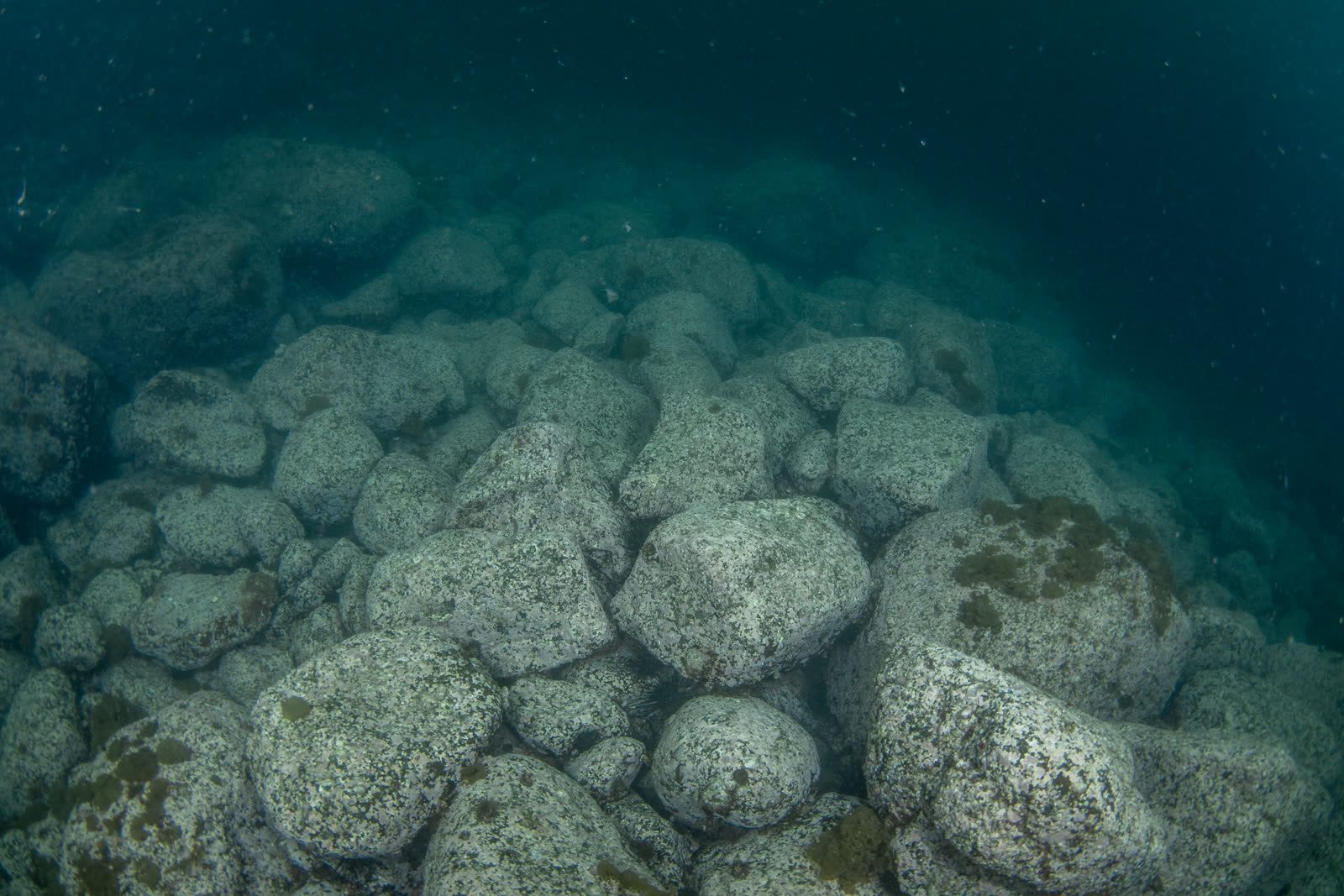
Barren seabed covered in sea urchins — isoyake
01 — Barren

A seabed with no seaweed.

Long-spined Diadema urchins — a species spreading with warming seas — and overabundant purple urchins graze every new sprout before it can grow. The rock turns white. The fish and shellfish leave, and the edible urchins themselves are starving — hollow shells with no uni inside.
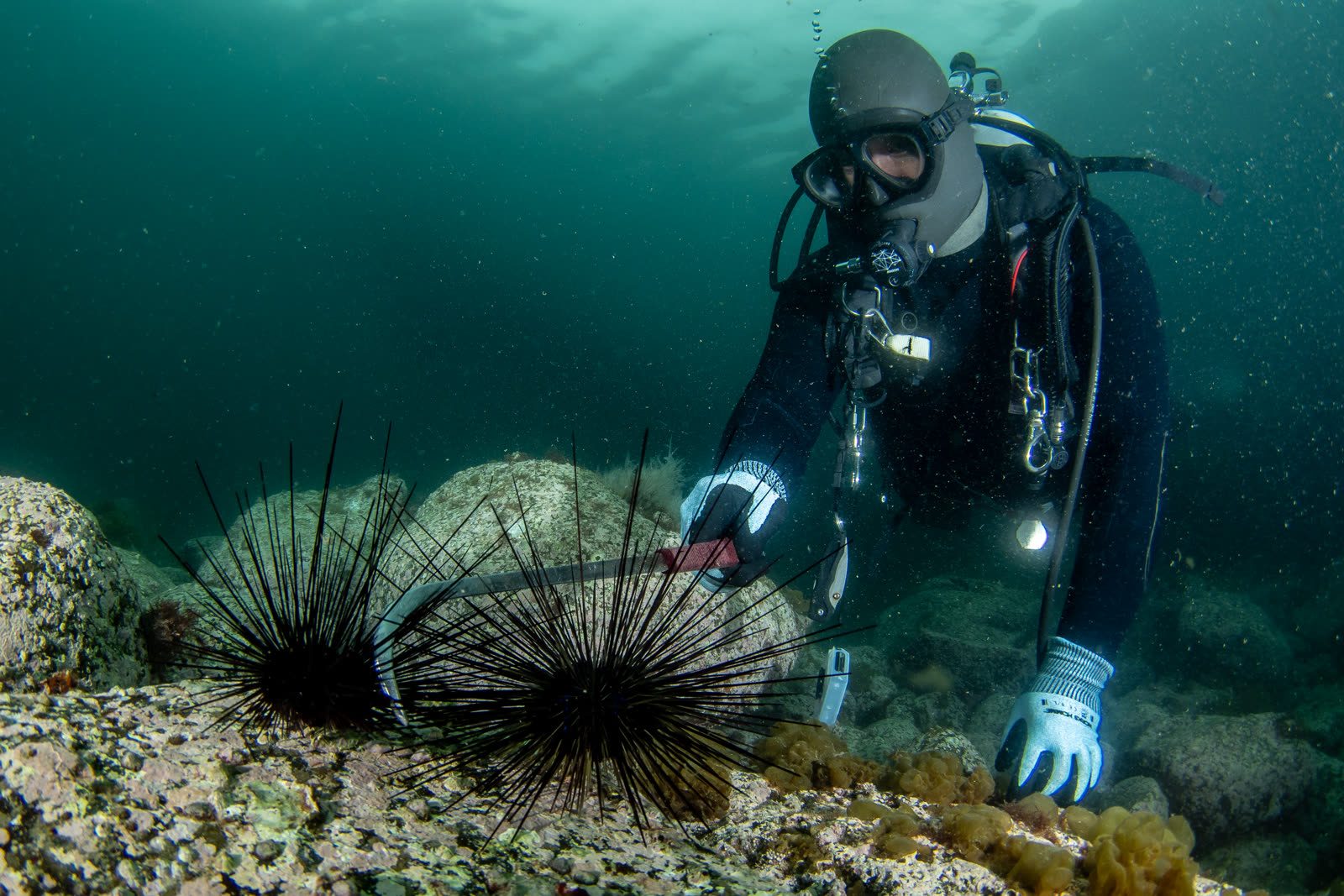
Diver thinning sea urchins by hand
02 — Thinning, by hand

Diving to restore the balance.

Divers thin the urchins by hand — removing Diadema and excess purple urchins — plant seaweed, and test artificial reefs. It is physical, repetitive, underwater work — and it only works if it continues year after year.
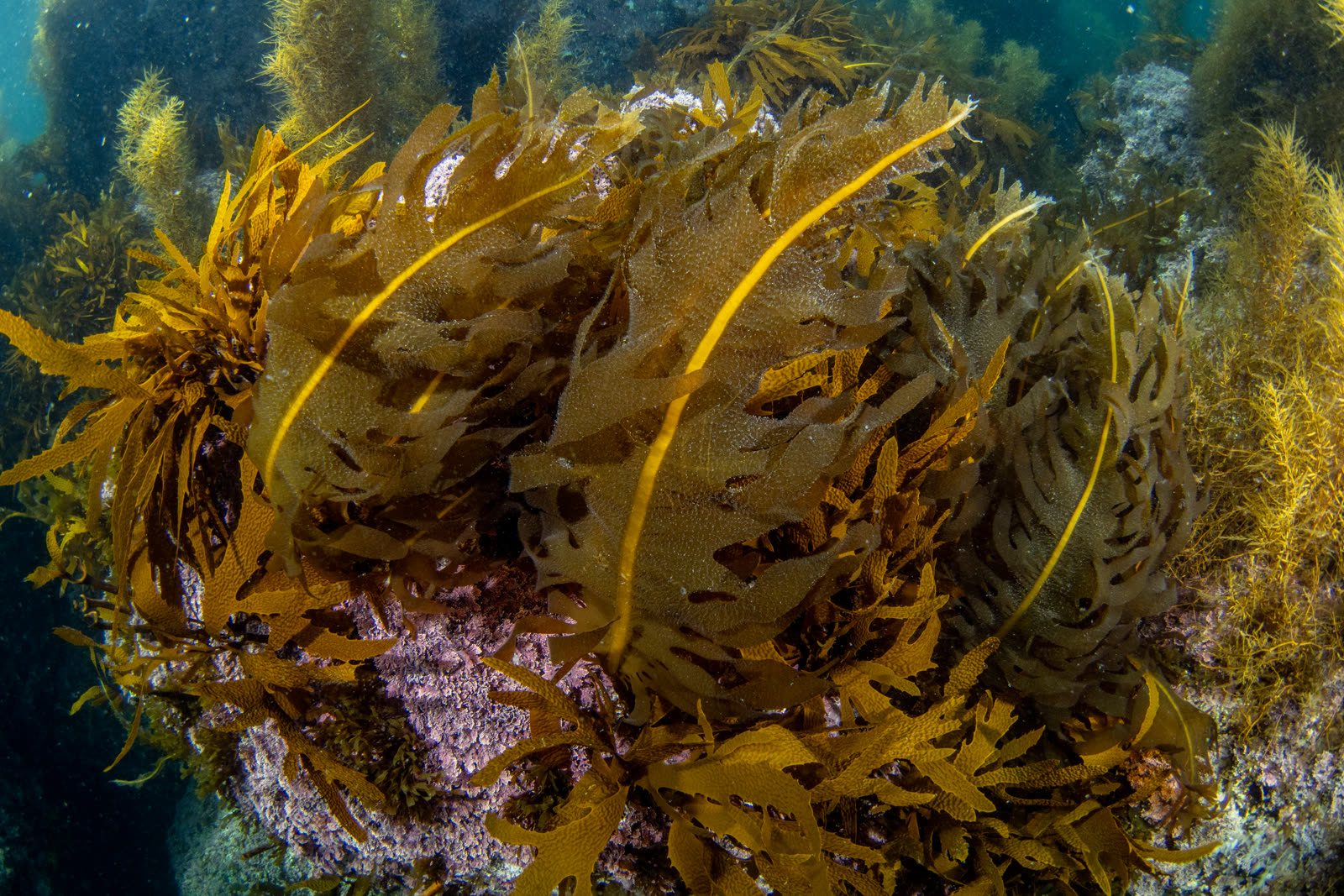
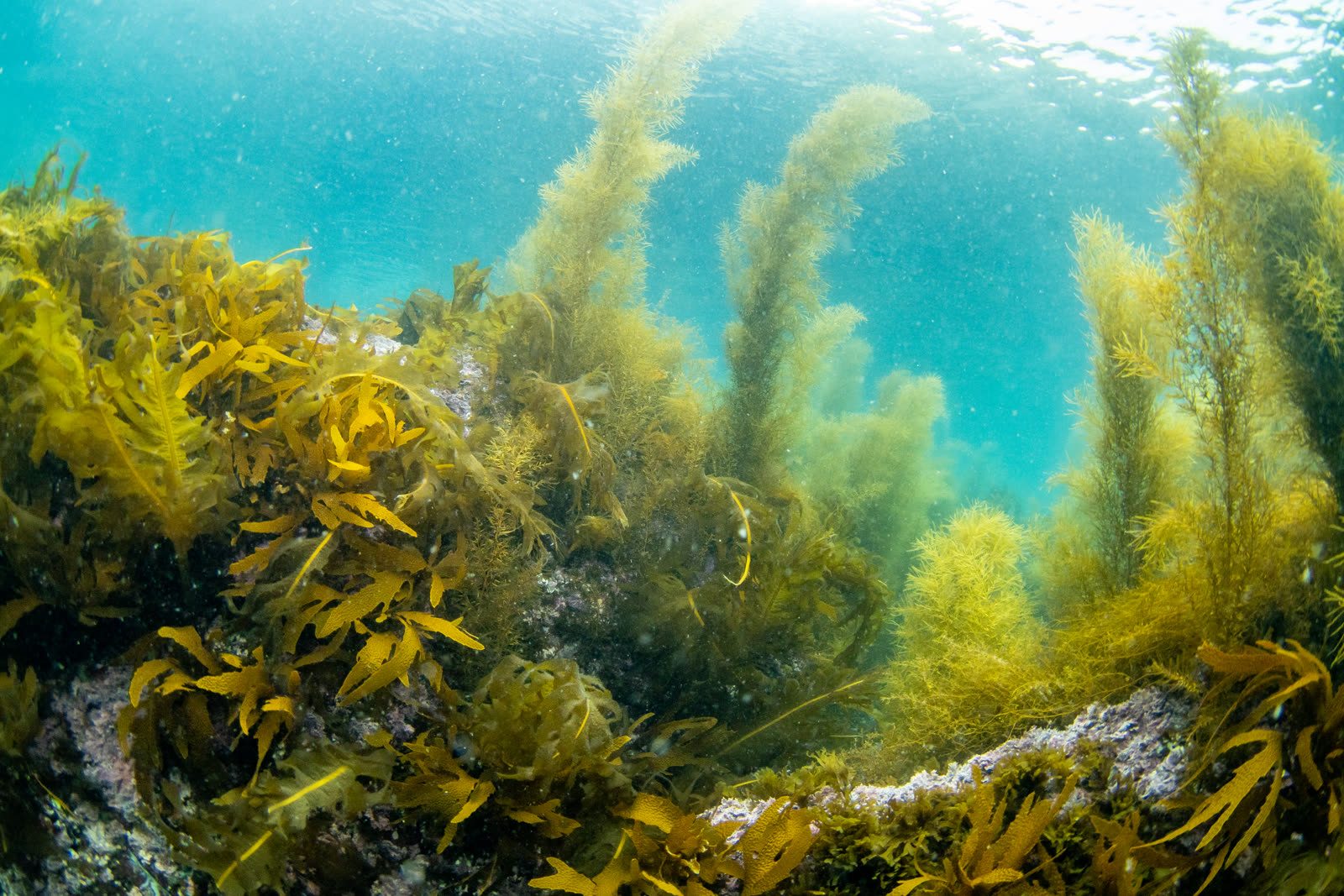
Restored seaweed forest in Kushiura, Karatsu
03 — Recovery

The forest comes back. So does life.

Restored beds bring back the fish, the squid, the shellfish — and the carbon-absorbing forest. No farming, no fattening: the urchins are wild, and a balanced seaweed forest is what gives them their flavor. The sea feeds people again.
Results — measured, not promised

What has been restored so far.

0ha
Seaweed beds restored
(about 30 acres, along 2.5 km of coast)
0t-CO₂
Blue carbon certified as J Blue Credit
(cumulative, third-party reviewed)
Grand Prize
Minister of the Environment Award
for Climate Action, FY2025
30by30
Certified Nature Coexistence Site
(Japan's biodiversity target, 2025)

All figures are from third-party certification or government recognition. We do not publish estimates we cannot back up. See the full results page →

Other ways to help

Not ready to donate? There are other ways in.

Shozo Kesamaru, sea urchin diver and representative of BLUE REVIVE
From the diver

"The sea doesn't recover because someone hopes it will. It recovers because someone goes down there, again and again."

I was born into a fishing family in Kushiura. When the seaweed disappeared, so did the fish, and so did most of the fishermen. I started thinning urchins alone. Now there are divers, scientists, companies and a town behind this. Your support means we can keep going out — and keep proving that a barren sea can come back.

Shozo KesamaruSea urchin diver / Representative Director, BLUE REVIVE

Questions

Before you give.

Can I donate from outside Japan?
Yes. Checkout is handled by Stripe and accepts major credit and debit cards, Apple Pay and Google Pay from most countries. You can pay in your local currency; the amount is converted at checkout.
Is my donation tax-deductible?
BLUE REVIVE is a Japanese general incorporated association (ippan shadan hojin). Donations are not currently tax-deductible in the United States, the UK or other countries, and are not deductible under Japanese law either. We are working on partnerships that would allow deductible giving for overseas supporters and will update this page when that changes.
How do I know the money is used well?
Donations are ring-fenced for restoration work (diving, seedlings, reefs, monitoring). Results are certified by third parties — the Japan Blue Economy Association for blue carbon, and Japan's Ministry of the Environment for the 30by30 site. Supporters receive seasonal reports with photos and measurements.
Can I cancel a monthly donation?
Anytime. Use the link in your receipt email, or write to info@bluerevive.jp and we'll stop it immediately.
I represent a company or foundation. Who do I talk to?
Please use the contact form and select "Corporate partnership." We work with companies on certified credits, research plots, site visits and employee programs.

BLUE REVIVE (Ippan Shadan Hojin BLUE REVIVE) — Kushiura, Karatsu, Saga, Japan. Representative Director: Shozo Kesamaru. Established 2026 to carry forward the restoration work begun by Kesamaru Marine. Contact: info@bluerevive.jp