BLUE REVIVE
0.0m
Diving into the sea forest
ONLINE STORE JP / EN

When the sea changes, the world changes.

Nature positive, beginning in the sea of Karatsu, Japan.

When the sea comes back, so do we.

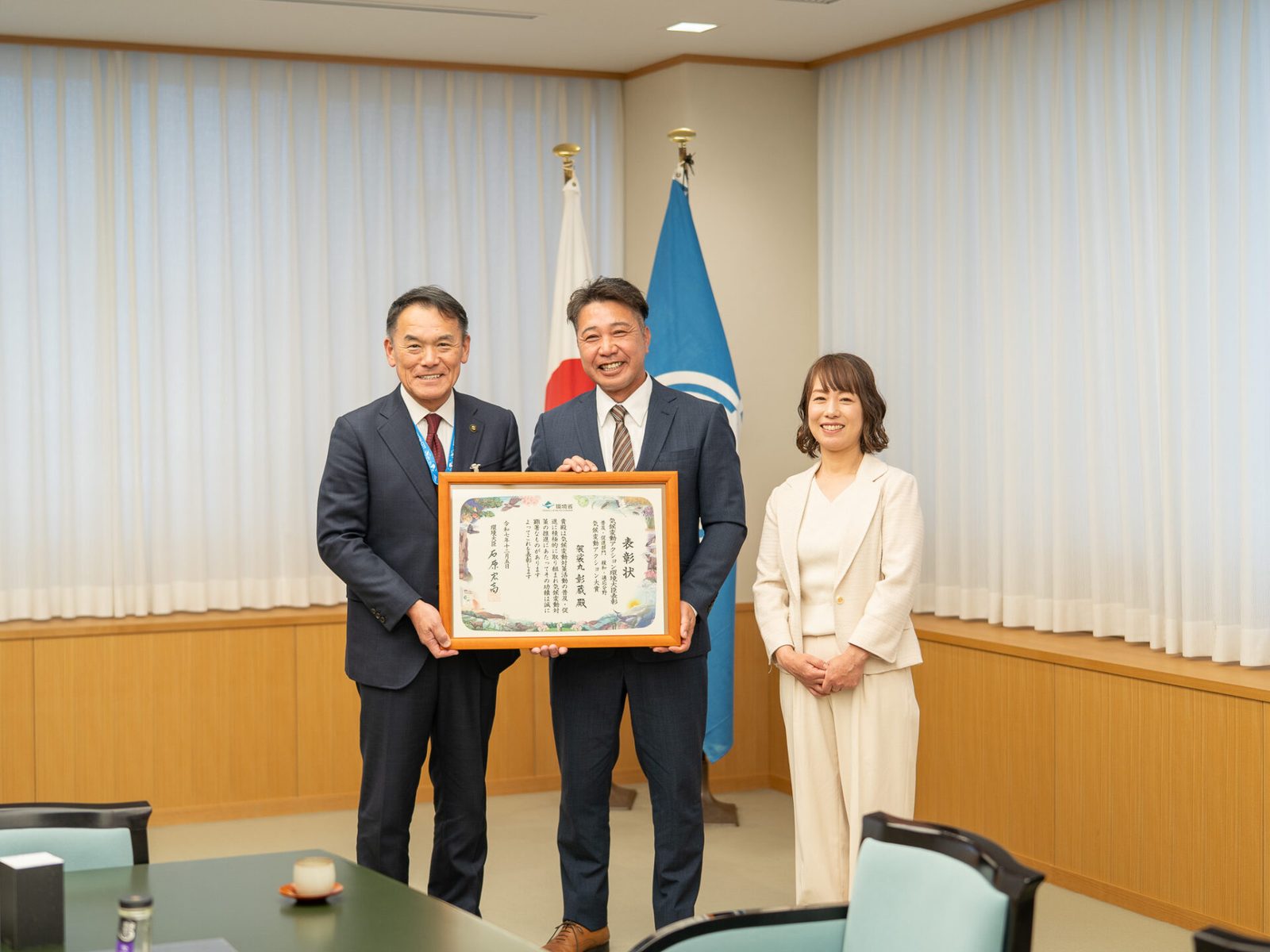
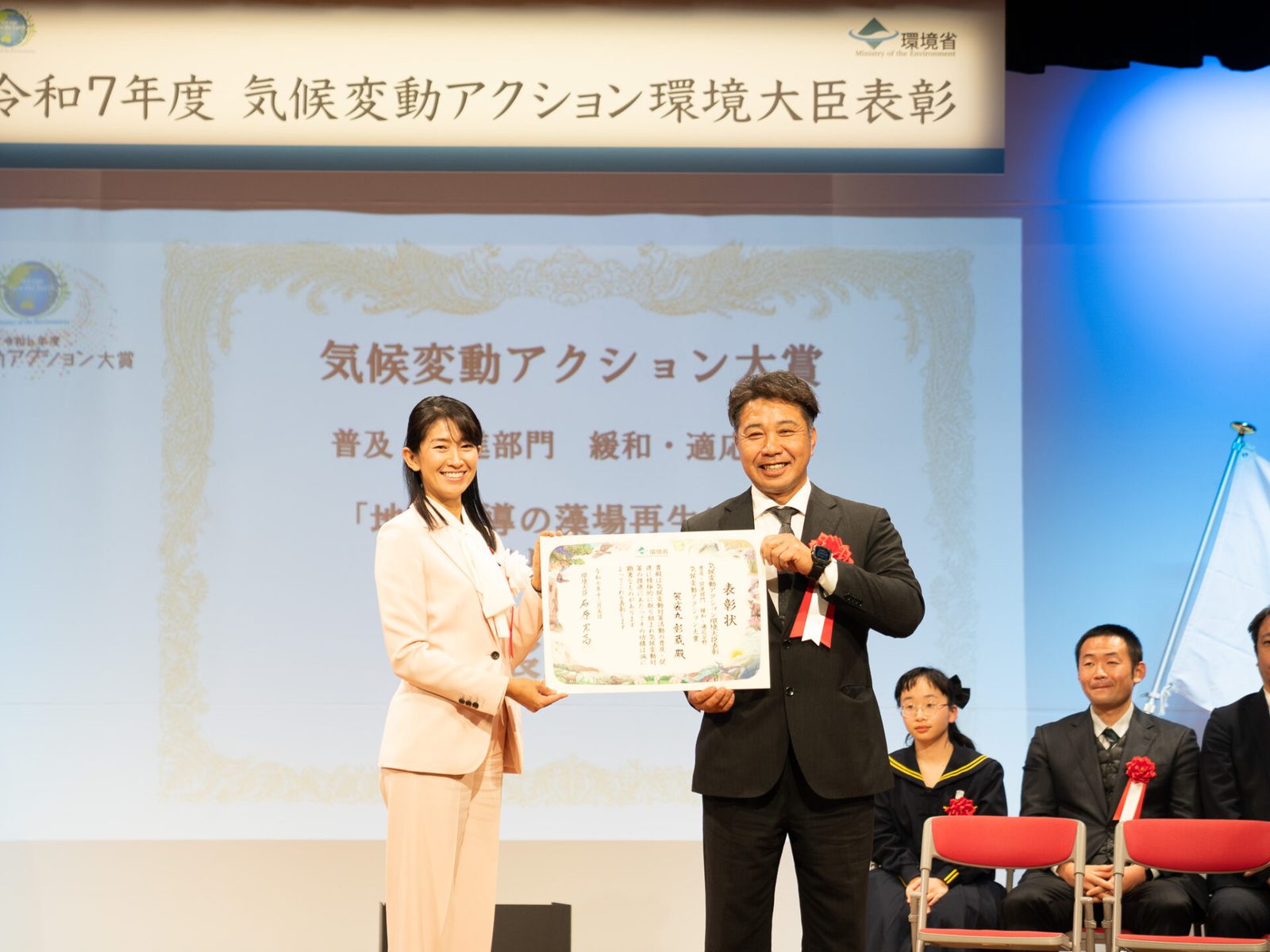
令和7年度 気候変動アクション環境大臣表彰 大賞 30by30 自然共生サイト認定
SCROLL
Statement — Blue is the color of life

Blue is the color of life.

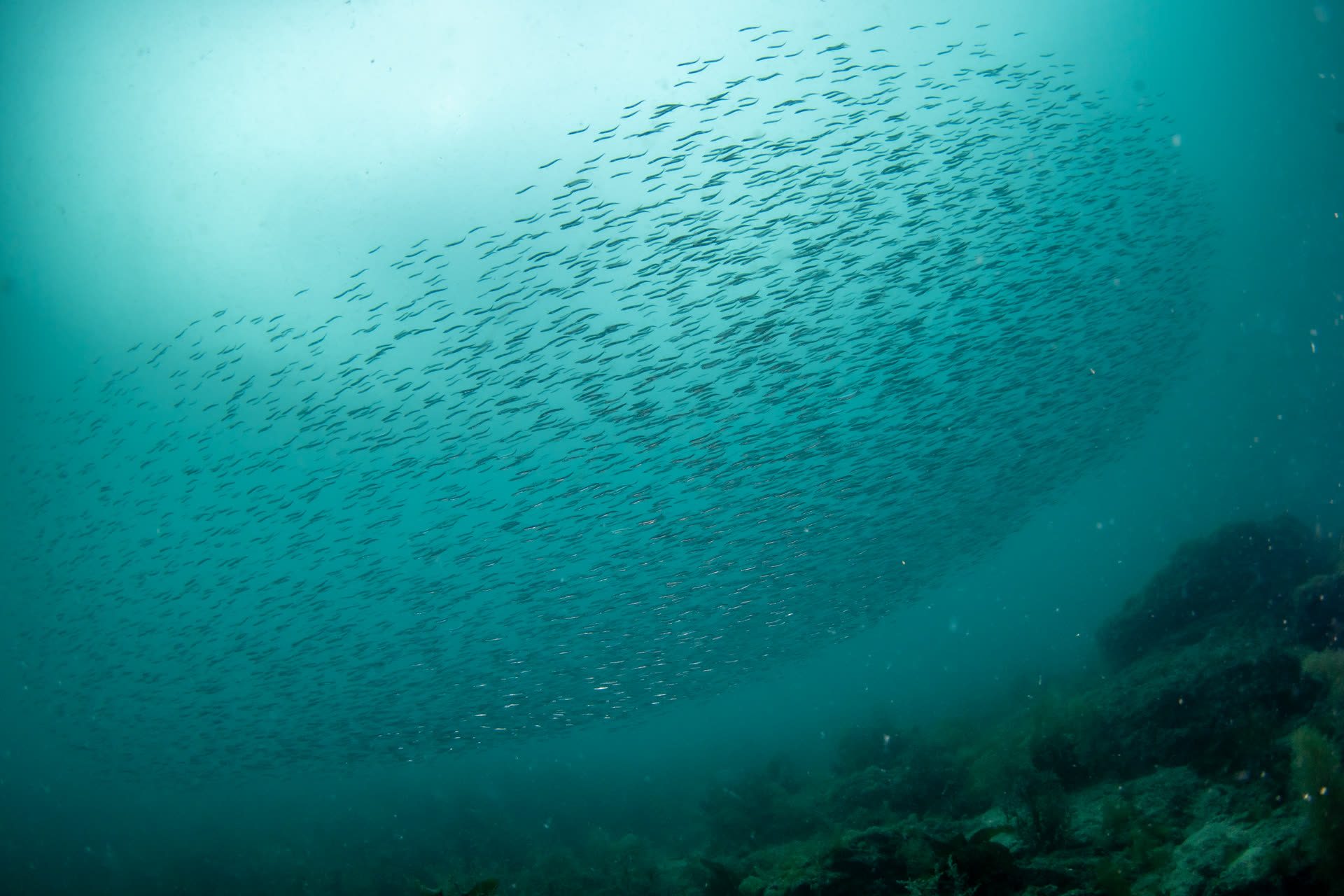
The blue we see in the sea is a color woven by countless lives —
fish, seaweed, and microbes invisible to the eye.
For generations, the richness of this sea has sustained the way we live.

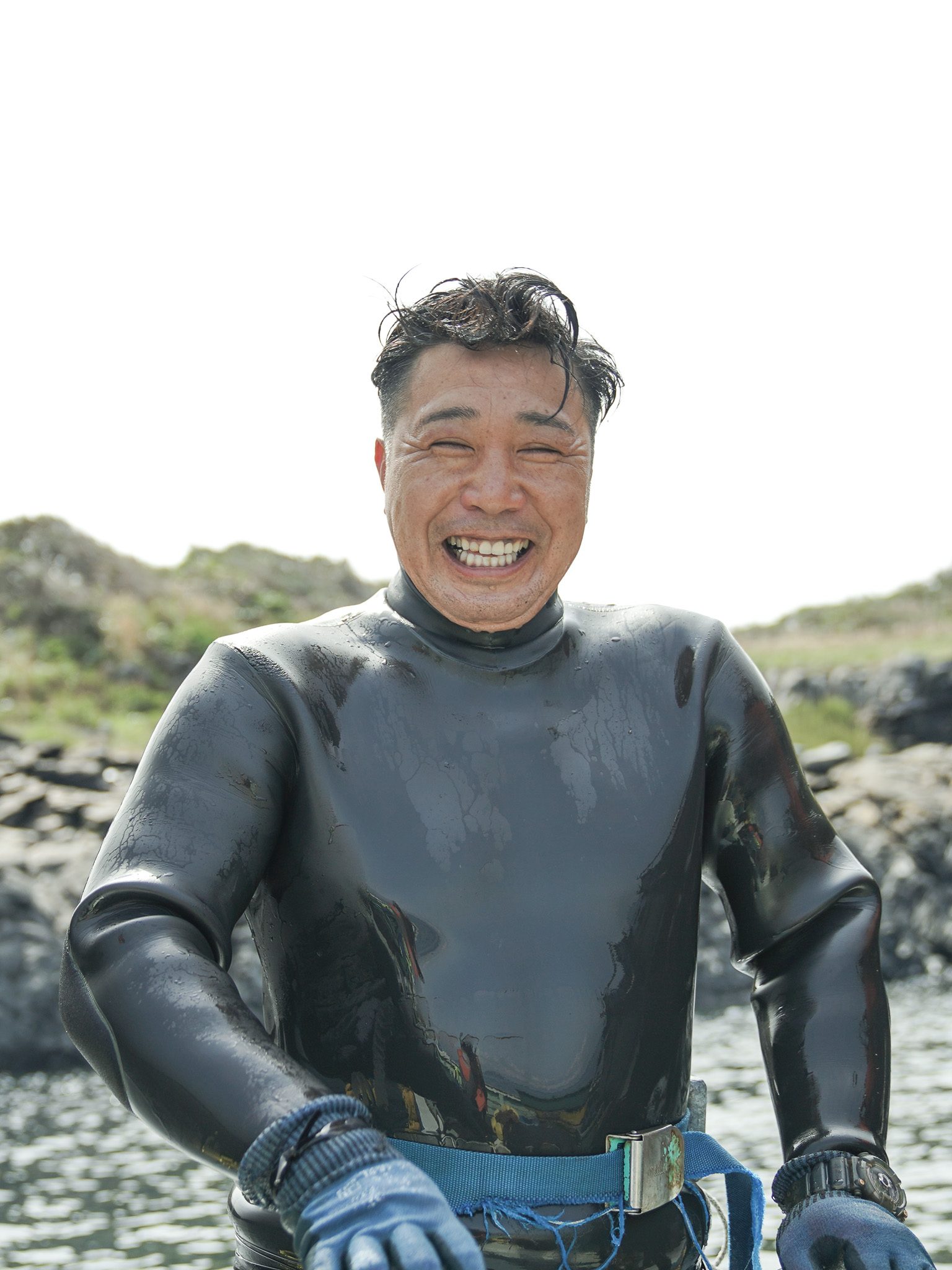
We are people who live with the sea, gathered around one fisherman.
Starting from the sea's recovery, we restore lost ecosystems, nurture culture,
and bring prosperity back to this region.

Once more, a rich sea connecting this region to the world.
Carrying the blue of life into the future.

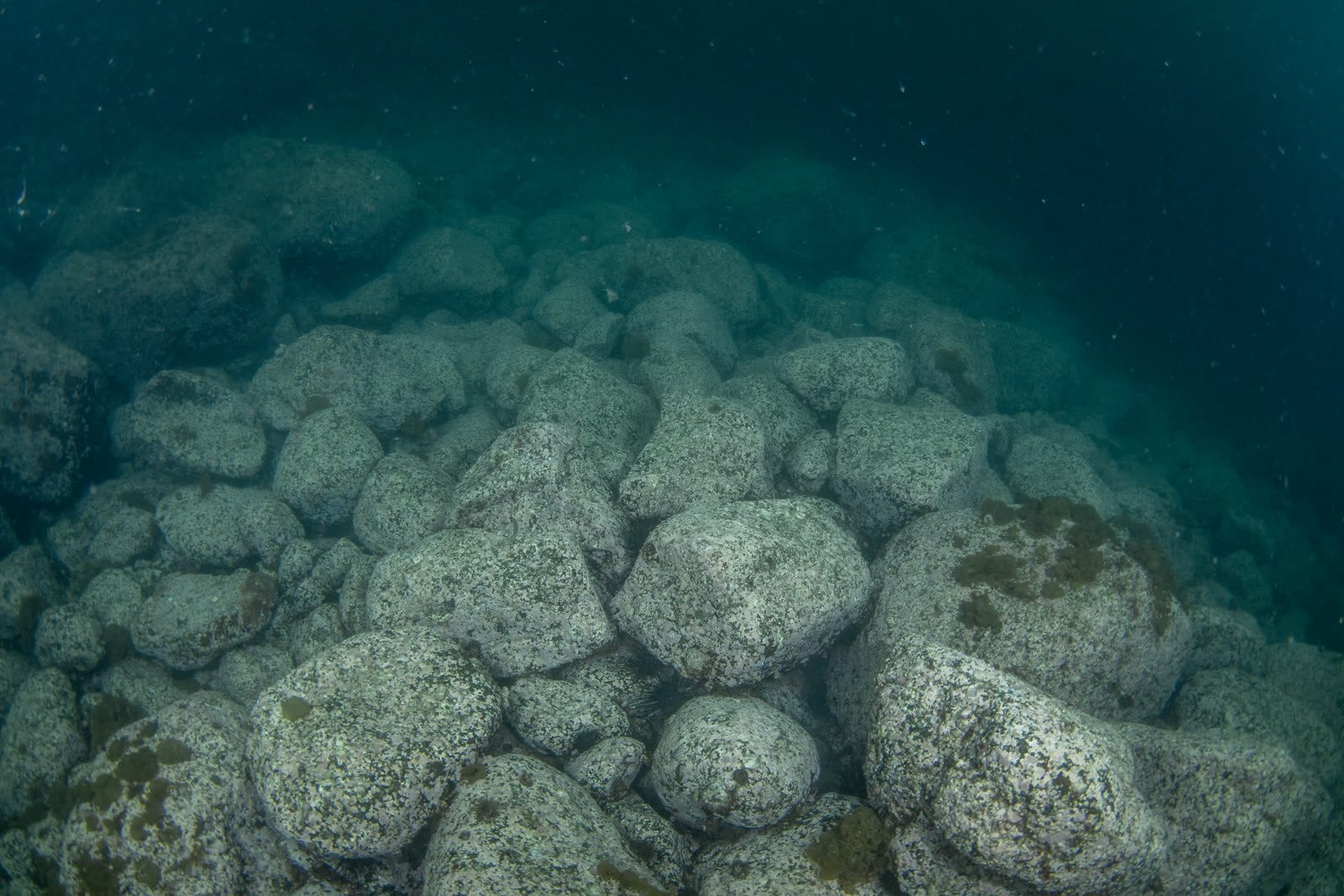
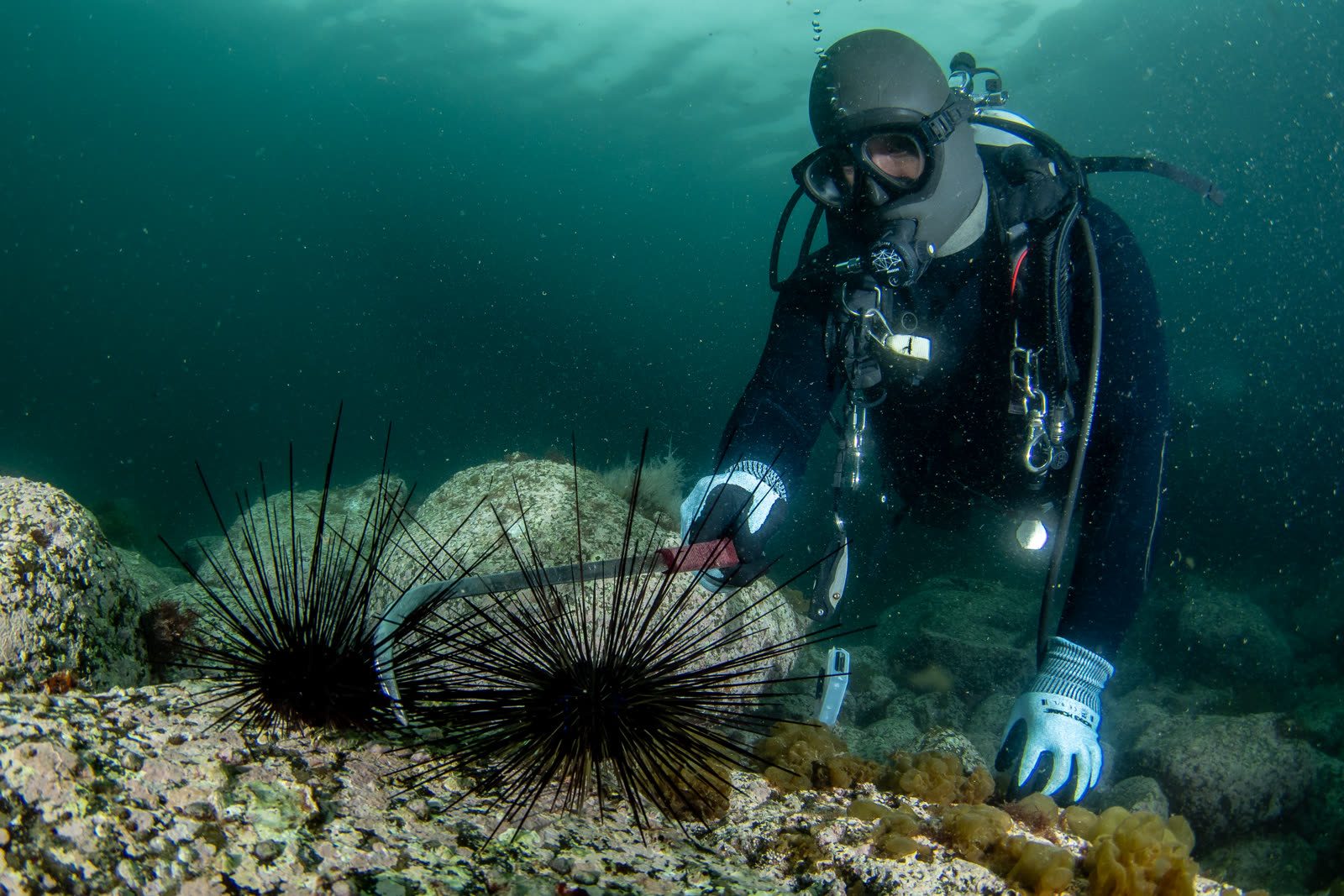
磯焼けした白い海底
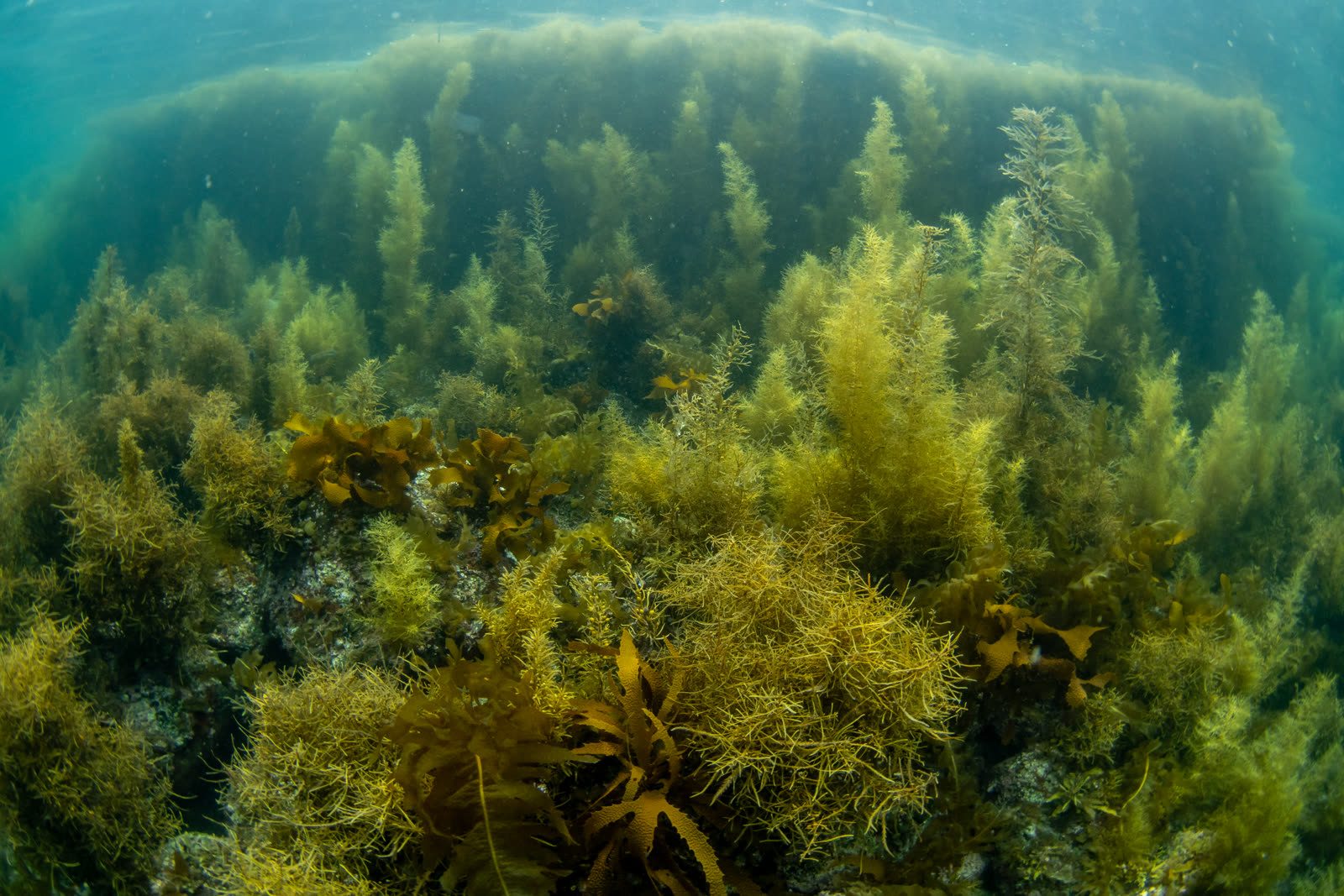
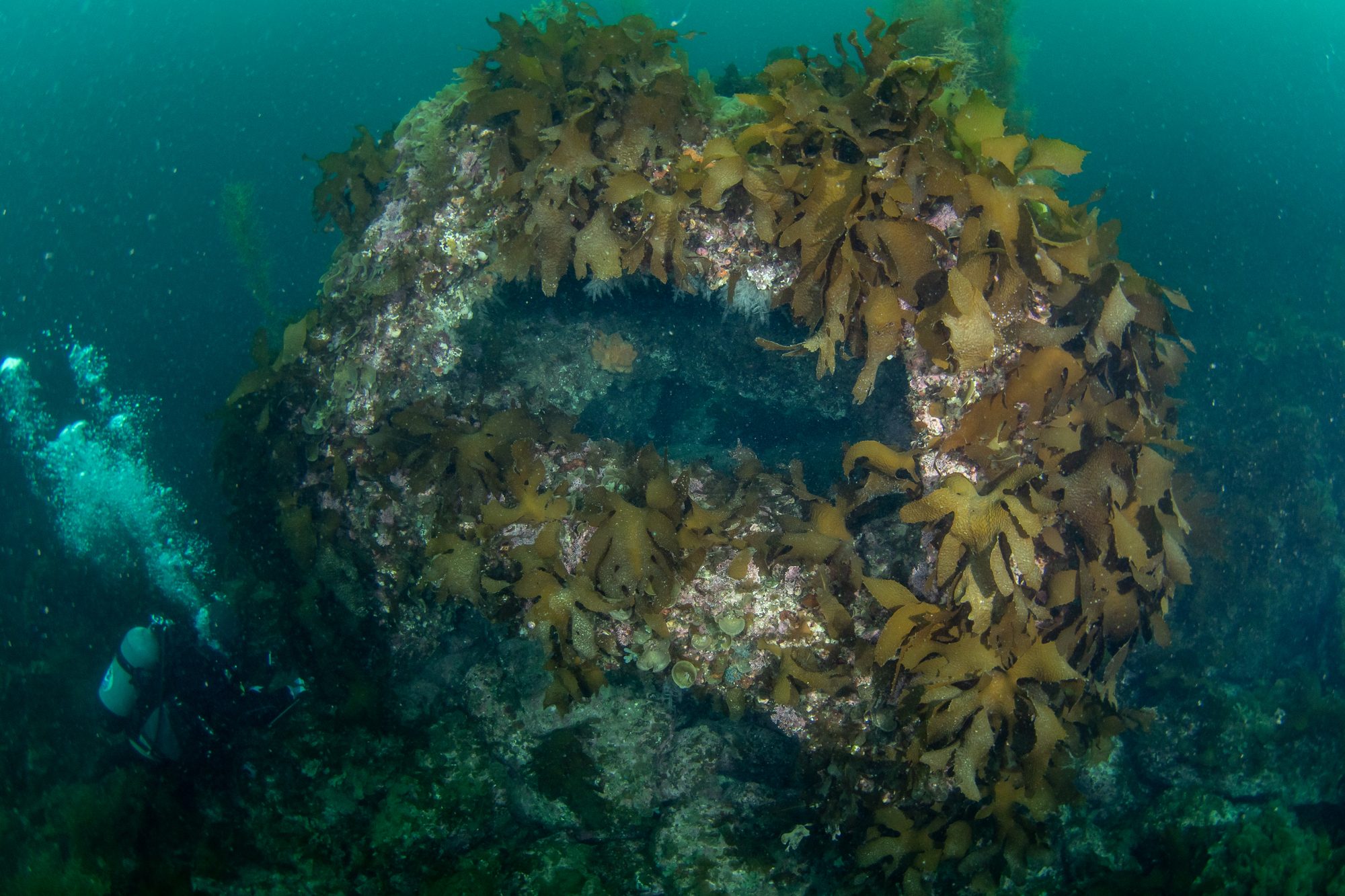
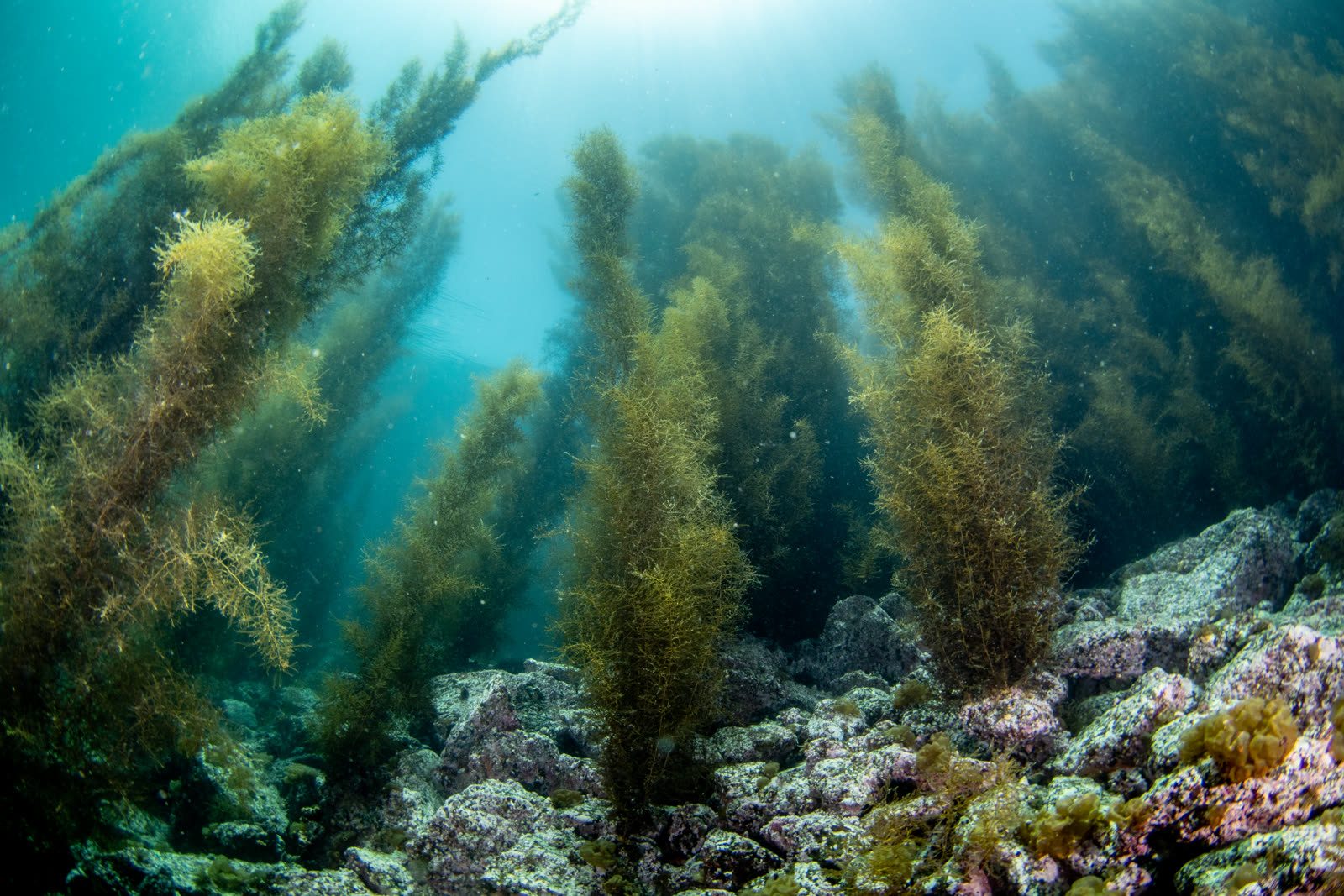
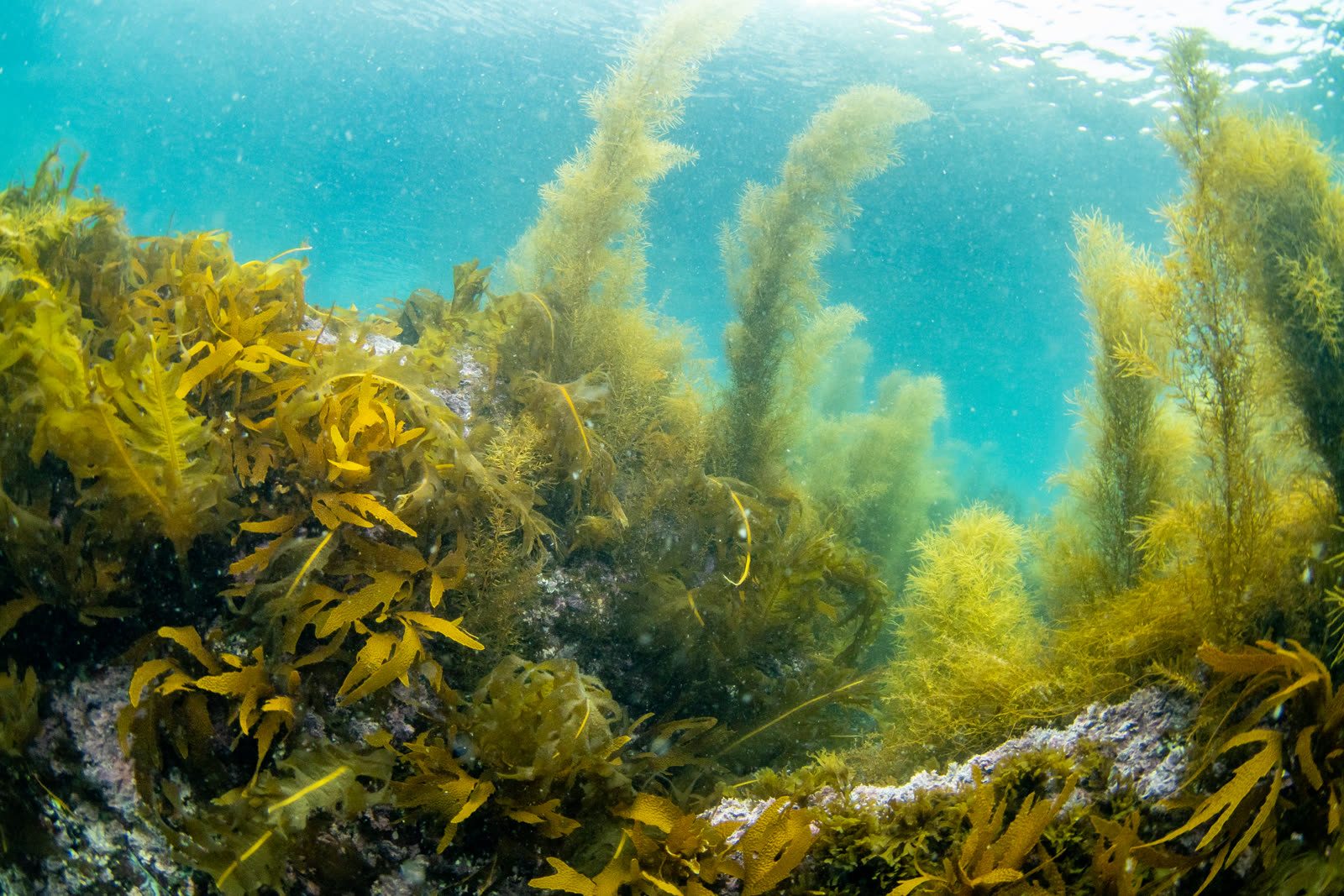
再生した藻場の森

Why — The Problem & The Proof

An “ocean desert”
can become a forest again.

BEFORE
Isoyake — a seabed stripped of seaweed, bare rock exposed
SCROLL TO REVIVE
The Value — Why Seagrass Beds Matter

Seaweed beds are the cradle of the sea.

A thriving seaweed bed is far more than a patch of seaweed. It nurtures countless creatures, balances water and air, and sustains our food and daily life. These underwater forests are the very foundation of the marine ecosystem.

藻場に育つ生きもの ROLE 01

Nurturing life Nursery

Seaweed forests are where fish and shellfish spawn, and where juveniles hide and grow. Lose the beds, and the cycle of life itself is broken.

光合成する海藻の森 ROLE 02

Balancing sea and sky Blue Carbon

Through photosynthesis, seaweed absorbs CO₂ and releases oxygen into the water. The carbon these beds store — “blue carbon” — also serves climate action.

海の恵み ROLE 03

Sustaining our lives Livelihood

Rich seaweed beds mean rich fishing grounds. The sea's bounty carries local food, livelihoods, and coastal culture on to the next generation.

The Problem — A Changing Sea

From the seas of Japan,
fish and seaweed are disappearing.

“Isoyake” — seaweed vanishing to leave bare rock — is spreading along coastlines nationwide.
As the foundation of the marine ecosystem erodes, the impact quietly reaches our daily lives.

Japan's fisheries & aquaculture — production volume and value Peak (1980s) → 2023 …⟶ 2030 (projected)
Volume (10,000 t) Value (trillion yen) 2030 projected
2030 projected 1,200 800 400 0 1982 2004 2023 2030 1,282×10,000 t 2.98trillion yen 372×10,000 t 1.69trillion yen
0%Volume
12.82M → 3.72M t
0%Value
¥2.98T → ¥1.69T

Source: Fisheries Agency of Japan, Marine Fishery Production Statistics / Fishery Output (e-Stat); Fisheries White Paper. The 2030 figure is a projection extrapolated from past trends — not an official forecast. Interim years plot selected data points.

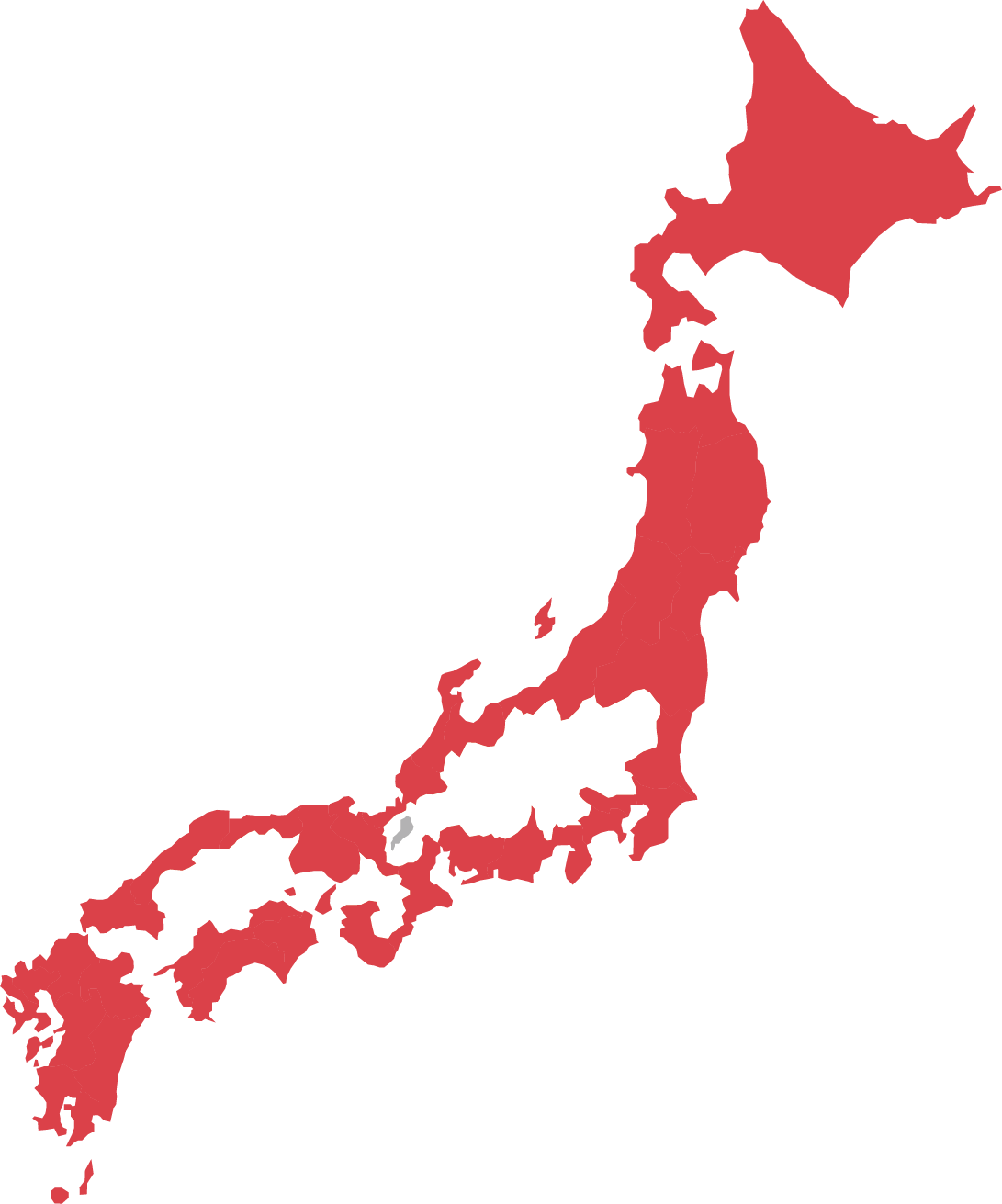
Isoyake across Japan Coastal burn-off in Japan
日本の磯焼け分布図 — 北海道から九州まで全国の沿岸で発生

Isoyake occurs along coastlines nationwide, from Hokkaido to Kyushu.Nearly every coastal region is affected (white areas: inner bays, Seto Inland Sea, etc.). Reference: Fisheries Agency, Isoyake Countermeasure Guidelines (illustrative map)

What we do — 4 Actions

Four actions to revive the sea.

Results — Proof

The recovery, in numbers.

0ha
Seaweed beds restored
(≈ 30 acres)
0t-CO₂
J Blue Credit — cumulative certified volume
(21.4 t-CO₂ in FY2025)
Grand Prize
FY2025 Climate Change Action
Minister of the Environment Award
30by30
Certified Nature Coexistence Site (30by30)
(2025)
See results & certifications
Partnership — For Companies & Governments

Turning ocean recovery
into corporate value.

Nature finance for the TNFD era — grounded in a real field site.
Fisher-led: measurable, and built to last.

Talk to us about partnership
袈裟丸彰蔵 プロフィール写真
Story — 25 Years
“For every bit of care we give,
the sea gives back in kind.

Shozo Kesamaru
Founder / Sea urchin fisherman / Seaweed bed restorer

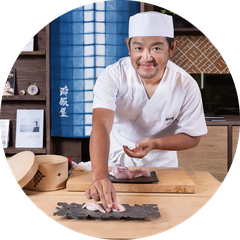
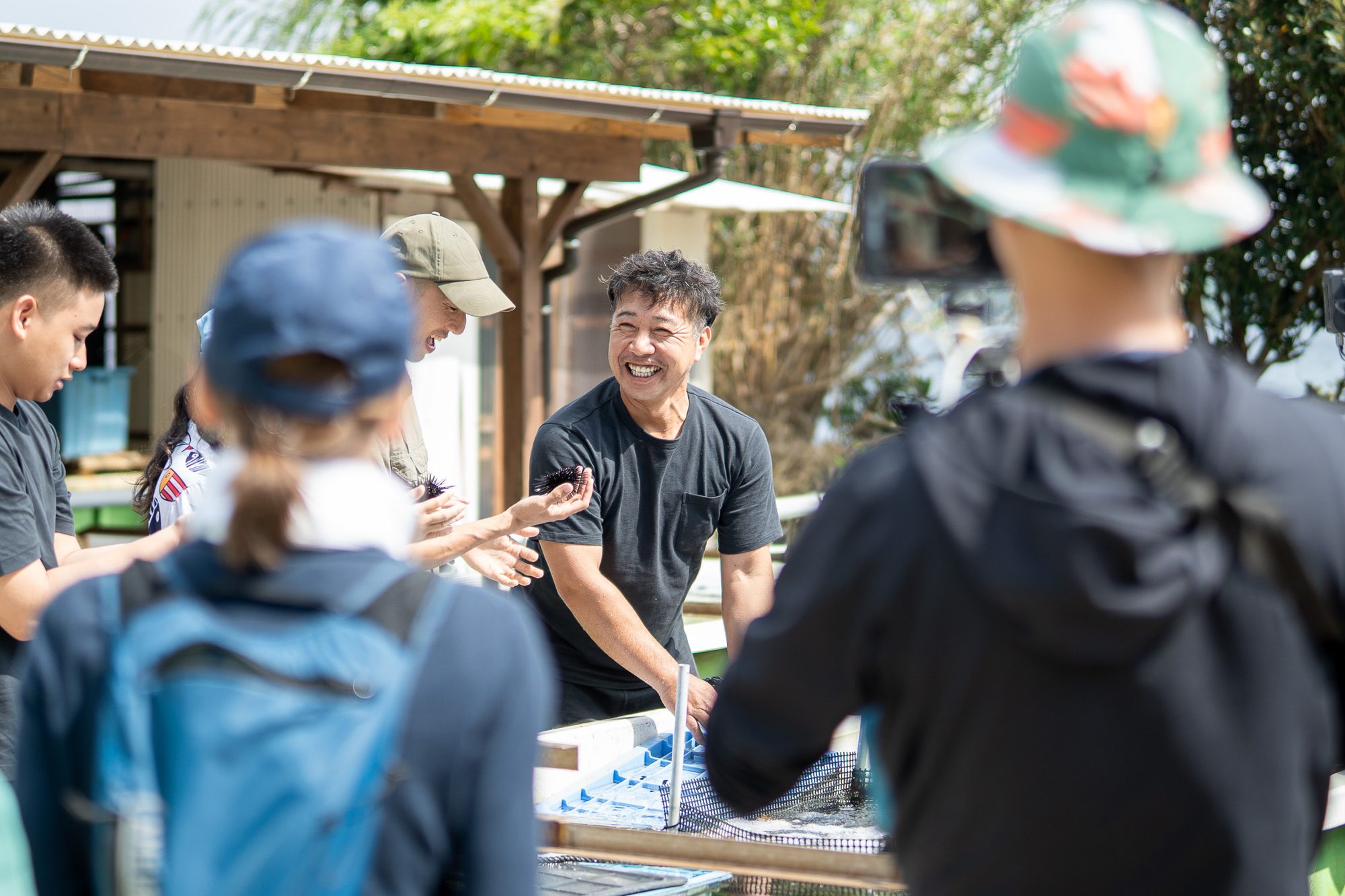
Facing a sea turning white with isoyake, he began restoring the seaweed beds alone. Over 25 years, the forest has returned along 2.5 km of the Kushiura coast. Today, the work is carried forward with the local community, government, companies, and researchers.

Read the 25-year story
Product — Sea to Table

Sea urchins that revive the sea.

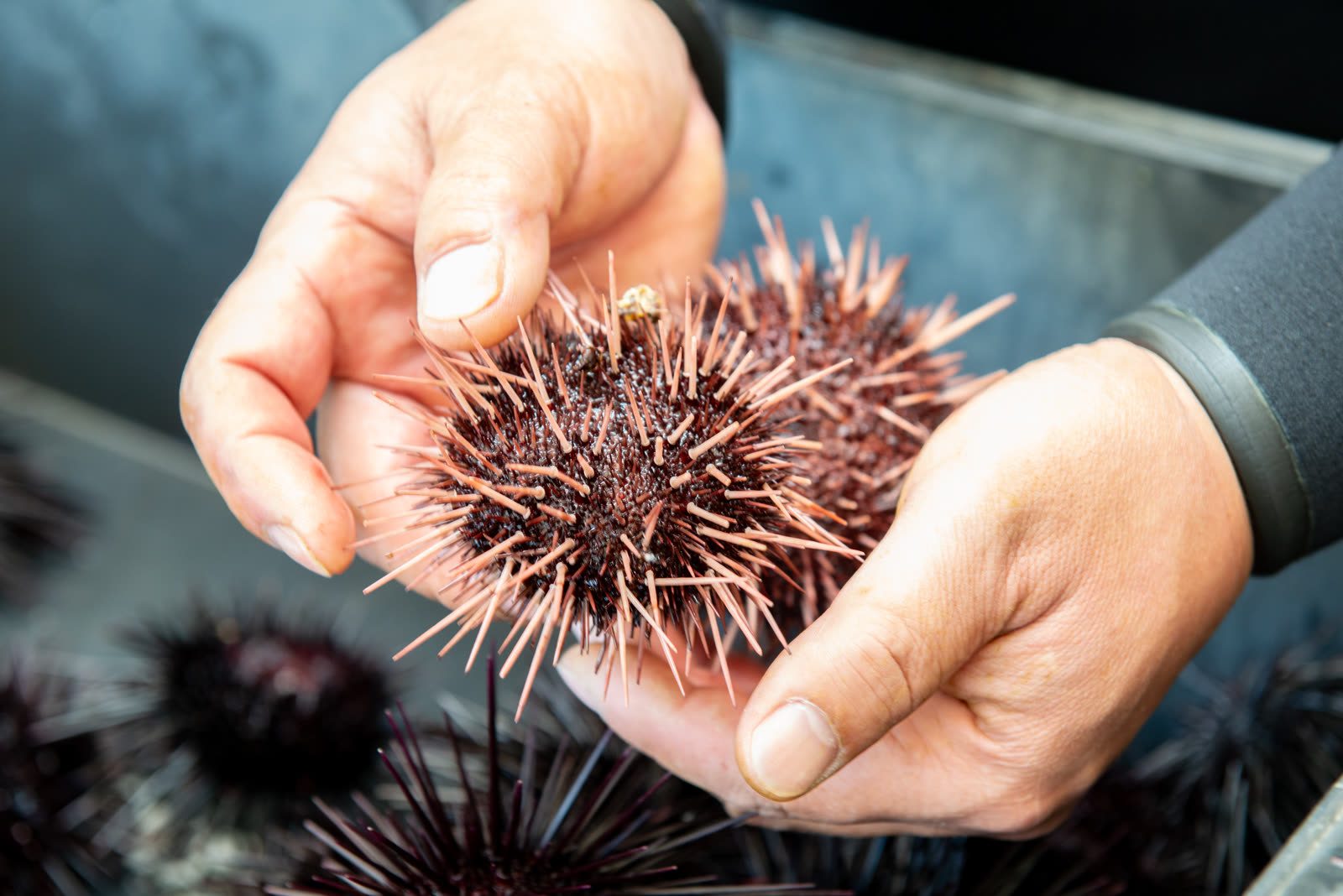
Wild-caught in healthy seaweed beds. Part of every sale funds the sea's recovery.

Shop on Pocket Marché
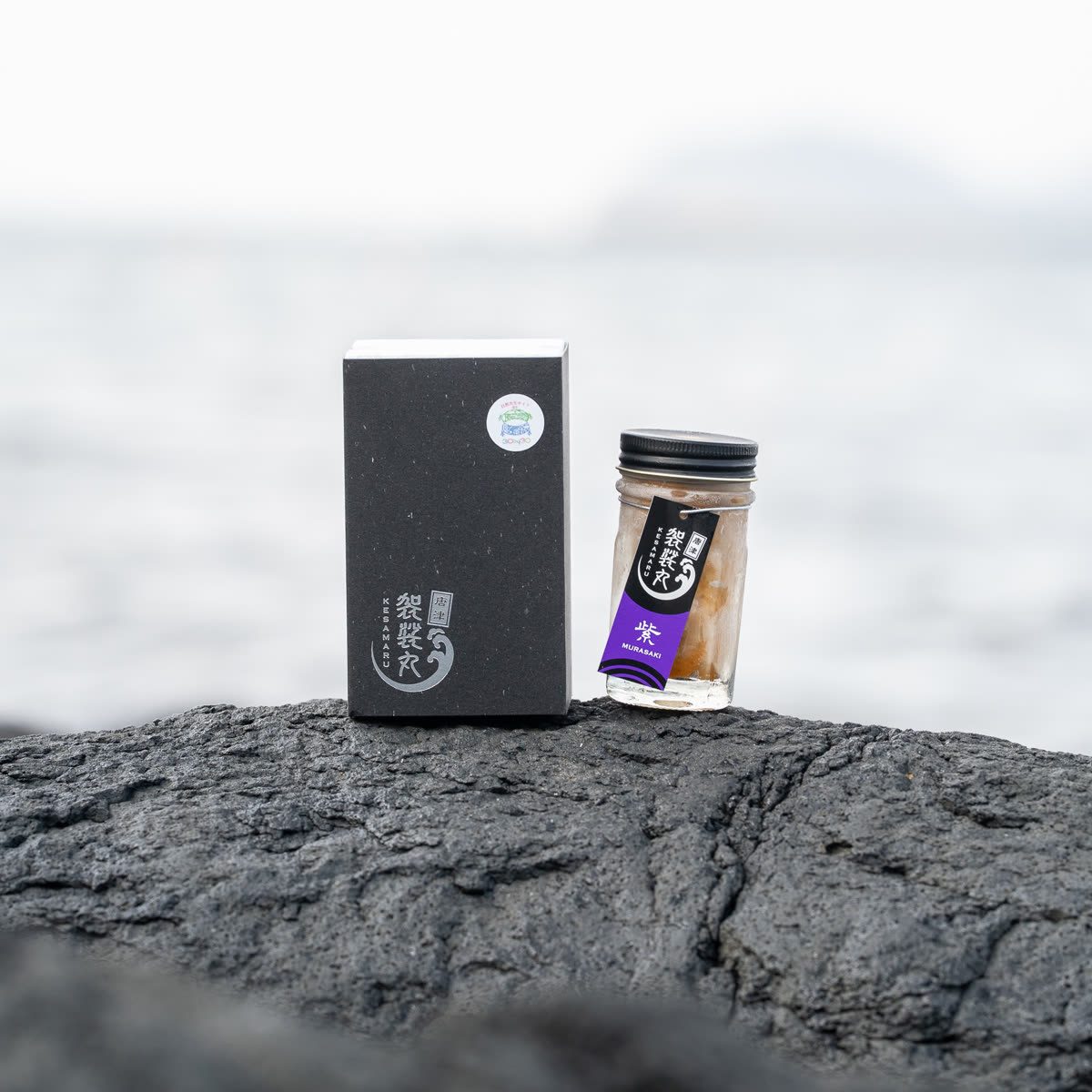
袈裟丸天然塩ウニ(ムラサキ)
In stock

Salted Uni — Murasaki

Purple sea urchin, processed at peak freshness and salt-cured.

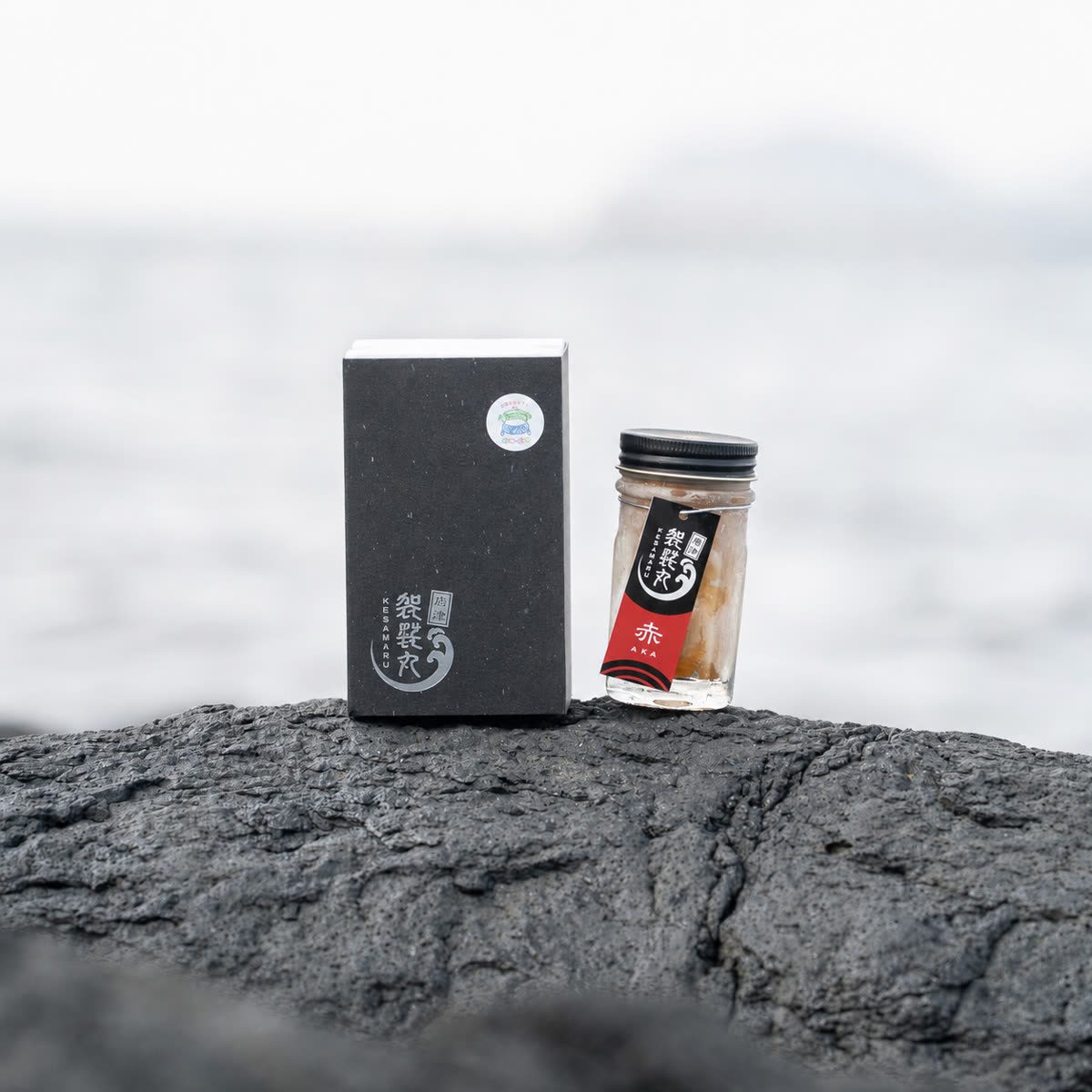
袈裟丸天然塩ウニ(アカ)
Restock TBD — reservation required

Salted Uni — Aka

Salt-cured red urchin, a rare delicacy of the Karatsu sea. Limited quantity, limited season.

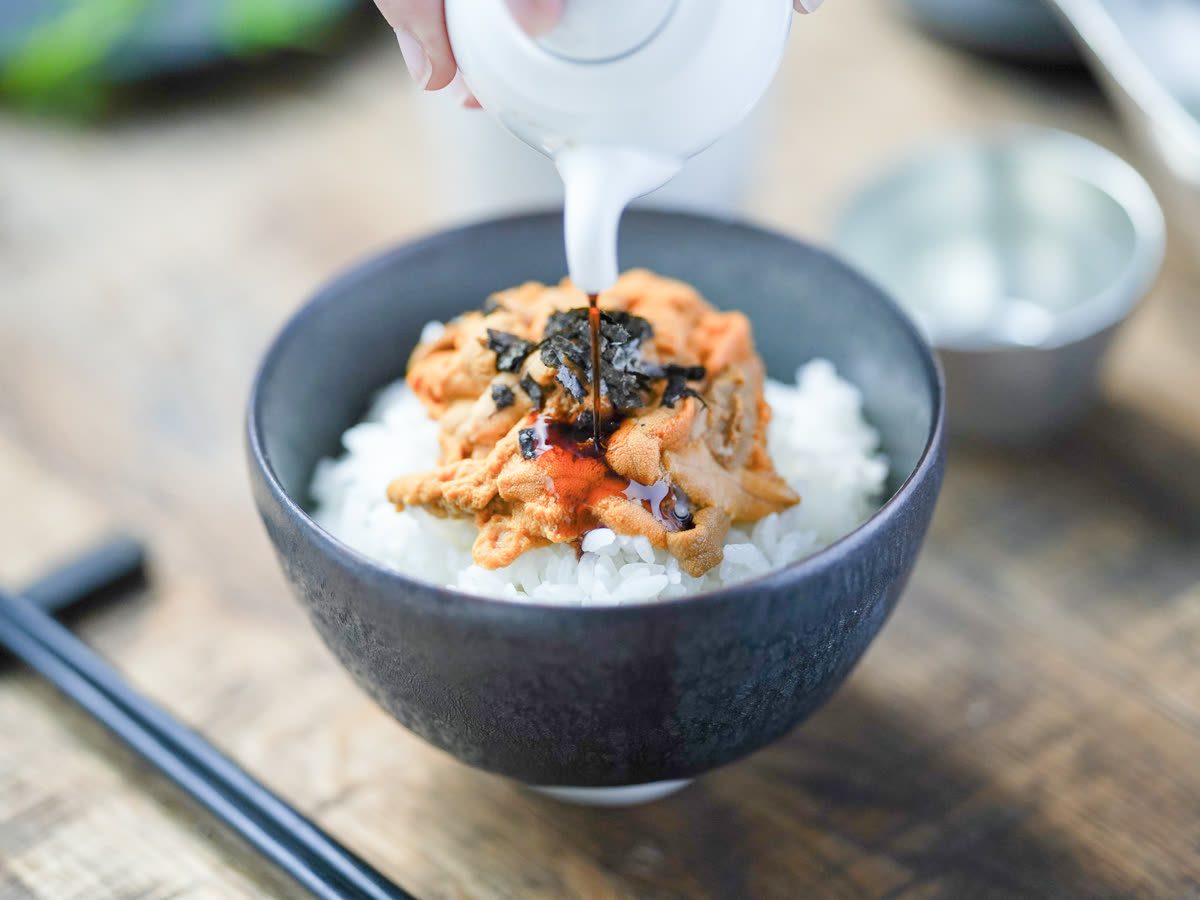
袈裟丸天然生ウニ
Season ended — get restock alerts

Fresh Uni — seasonal

Fresh urchin, available only a few weeks a year. We'll email you when it returns.

Report — Latest

News from the sea, as it happens.

All reports
STAY WITH THE SEA
IG